
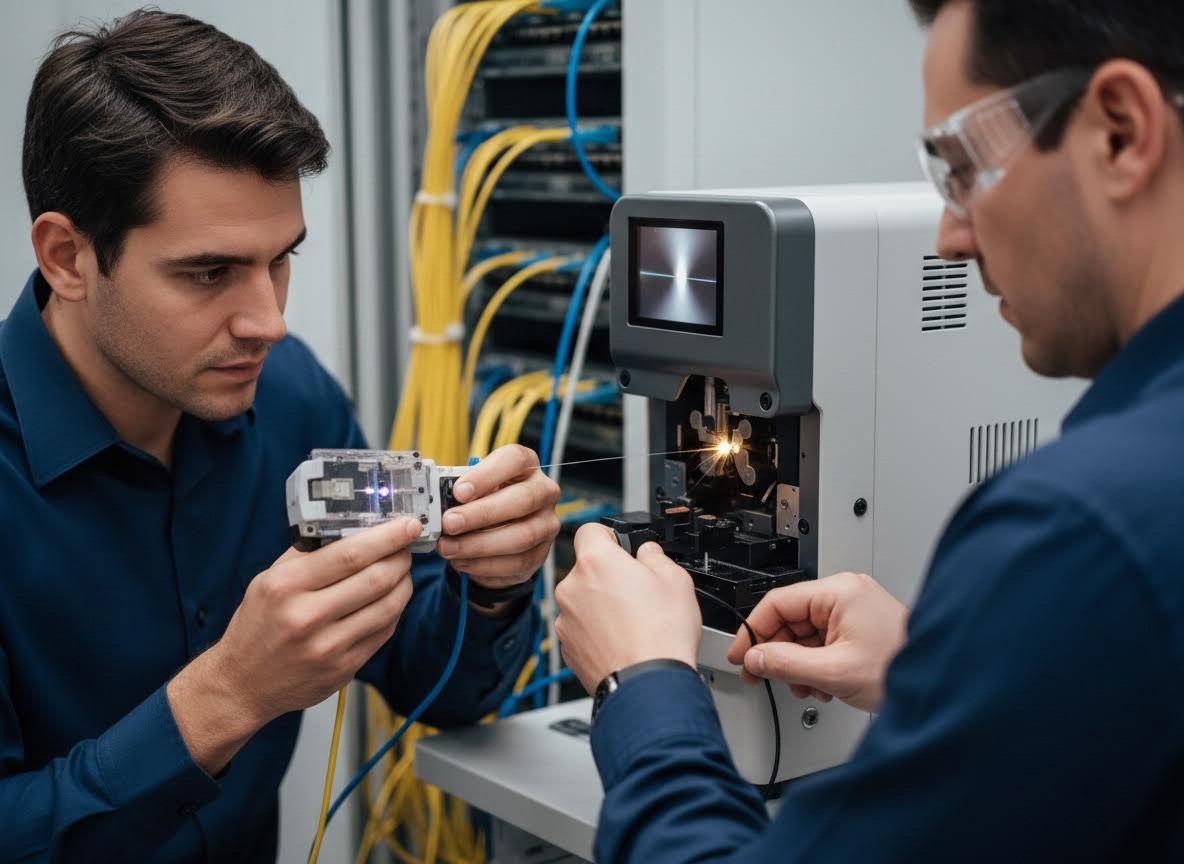
Fiber optic networks are the backbone of modern communication, and ensuring their integrity hinges on precise termination. For technicians, understanding the nuances between different termination methods is crucial for delivering reliable, high-performance connectivity. At B4 Sales LLC, we recognize that selecting the optimal approach—mechanical vs. fusion splicing—can significantly impact network efficiency, longevity, and cost-effectiveness for projects ranging from data centers to structured cabling. This blog post aims to demystify these two primary methods, empowering technicians to make informed decisions.

The Criticality of Fiber Optic Termination
Fiber optic termination isn't just about connecting two ends; it's about creating a robust, low-loss connection that preserves the integrity of the optical signal. Improper termination can lead to significant signal attenuation, reflections, and ultimately, network performance degradation. Every splice and connector introduces a potential point of signal loss, making the choice of termination method a critical decision for network architects and technicians. The goal is always to minimize insertion loss and return loss, ensuring the optical path is as clear and efficient as possible for optimal data transmission.

Mechanical Splicing: Speed and Practicality
Mechanical splicing involves physically aligning two cleaved fiber ends within a precise housing, often using an index-matching gel or adhesive to reduce air gaps and minimize signal loss. This method doesn't require heat or fusion. Instead, specialized connectors or splice trays mechanically hold the fibers in alignment, allowing light to pass from one fiber to the other.
Pros:
Speed: Mechanical splices are generally quicker to perform, making them ideal for rapid field repairs or situations where immediate connectivity is needed.
Cost-Effective (Upfront): The initial equipment investment is significantly lower than for fusion splicing, as it doesn't require expensive fusion splicers.
No Power Required: This method is excellent for remote locations or emergency repairs where access to electrical power is limited.
Versatility: Mechanical connectors are available in various forms, including field-installable connectors that can terminate a fiber directly.
Cons:
Higher Signal Loss: Mechanical splices typically introduce more insertion loss and higher return loss compared to fusion splices due to potential air gaps and imperfect alignment.
Less Durable: They can be more susceptible to environmental factors like temperature fluctuations or vibration over time.
Potential for Degradation: The index-matching gel can degrade or dry out over many years, potentially increasing signal loss.

Fusion Splicing: Precision and Performance
Fusion splicing involves using an electric arc to melt and fuse the end faces of two precisely cleaved optical fibers together, creating a continuous, monolithic glass connection. This process is highly automated with modern fusion splicers, which accurately align the fiber cores before applying the arc.
Pros:
Minimal Signal Loss: Fusion splicing offers the lowest possible insertion loss and highest return loss, making it the preferred method for demanding, high-bandwidth applications.
Superior Durability: The fused connection is as strong as the original fiber, providing excellent long-term stability and resistance to environmental stress.
Long-Term Reliability: Fusion splices are virtually permanent and don't suffer from degradation issues like mechanical splices.
High Performance: Essential for data centers, long-haul networks, and any application where signal integrity is paramount.
Cons:
Higher Upfront Cost: Fusion splicers represent a significant investment in specialized equipment.
Slower Process: While modern splicers are fast, the overall process, including setup and protection, can be more time-consuming than mechanical splicing.
Requires Power: Fusion splicers need a power source, which can be a limitation in certain field environments.
Skill Requirement: While automated, achieving optimal results still requires a trained and experienced technician.
Choosing the Right Method for Your Application
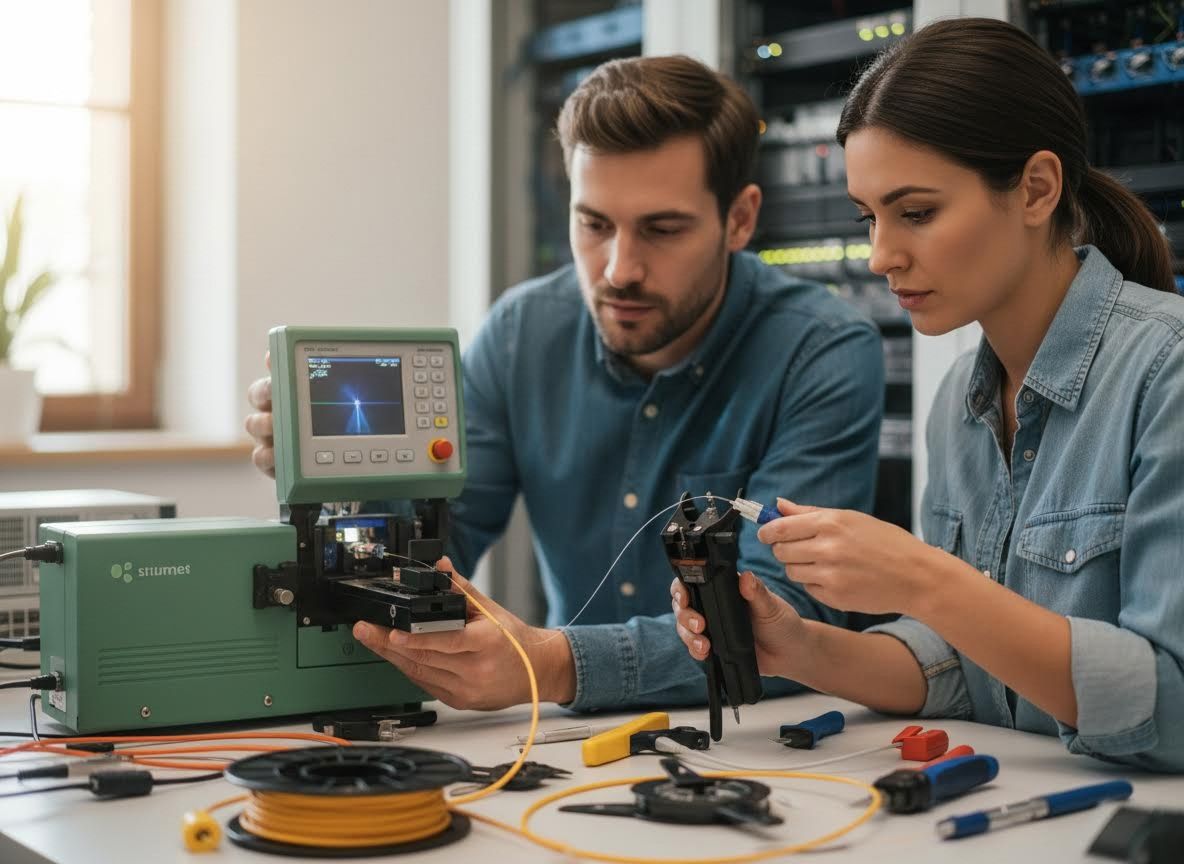
The decision between mechanical and fusion splicing hinges on a balance of performance requirements, budget constraints, and deployment speed. For critical infrastructure like data centers, backbone networks, or high-definition video transmission, the superior performance and durability of fusion splicing are often indispensable. The minimal signal loss ensures maximum network uptime and future-proof capacity. Conversely, for quick, temporary repairs, less critical links, or scenarios where budget and speed are primary drivers, mechanical splicing offers a practical and efficient solution. Understanding the distinct advantages and limitations of each method allows technicians to implement solutions that are not only effective but also optimized for the specific demands of each network environment.
Mastering fiber optic termination is a cornerstone of building robust and reliable network infrastructure. Whether your projects demand the absolute precision of fusion splicing or the rapid deployment of mechanical solutions, choosing the right method is paramount for success. B4 Sales LLC stands ready to support your efforts with a diverse array of high-quality low voltage products and expert guidance, ensuring your networks are built to connect and collaborate seamlessly. Explore our comprehensive resources to elevate your networking capabilities and ensure optimal performance for your next project.