
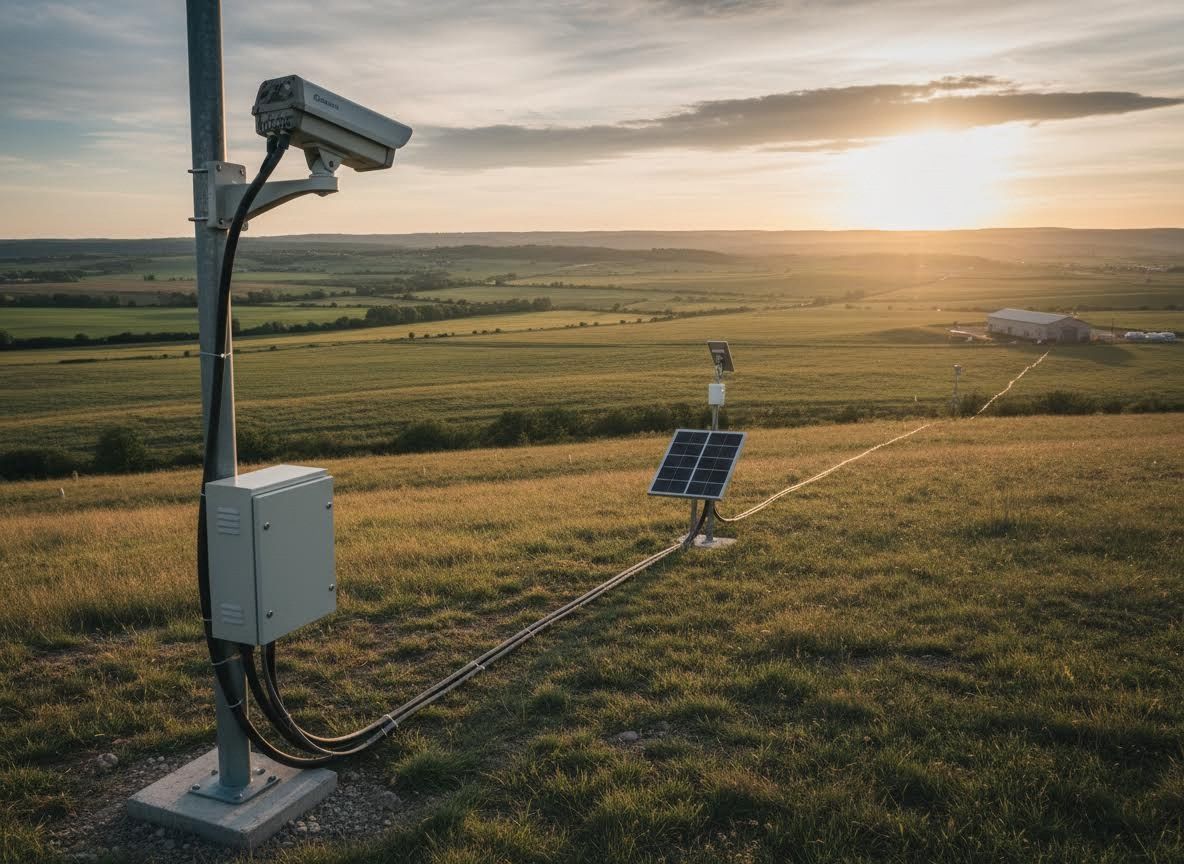
Deploying IP cameras over long distances outdoors presents a unique set of challenges, from ensuring consistent power delivery to maintaining stable network connectivity across varied terrains. These systems are crucial for perimeter security, facility monitoring, and large-scale operations, demanding meticulous planning and execution to guarantee their reliability and effectiveness. At B4 Sales LLC, we understand that successful long-distance deployments require more than just quality equipment; they demand a comprehensive strategy that addresses every potential hurdle. This blog post will delve into the essential best practices that empower robust and resilient outdoor IP camera infrastructure.
Reliable Power Strategies for Extended Reach
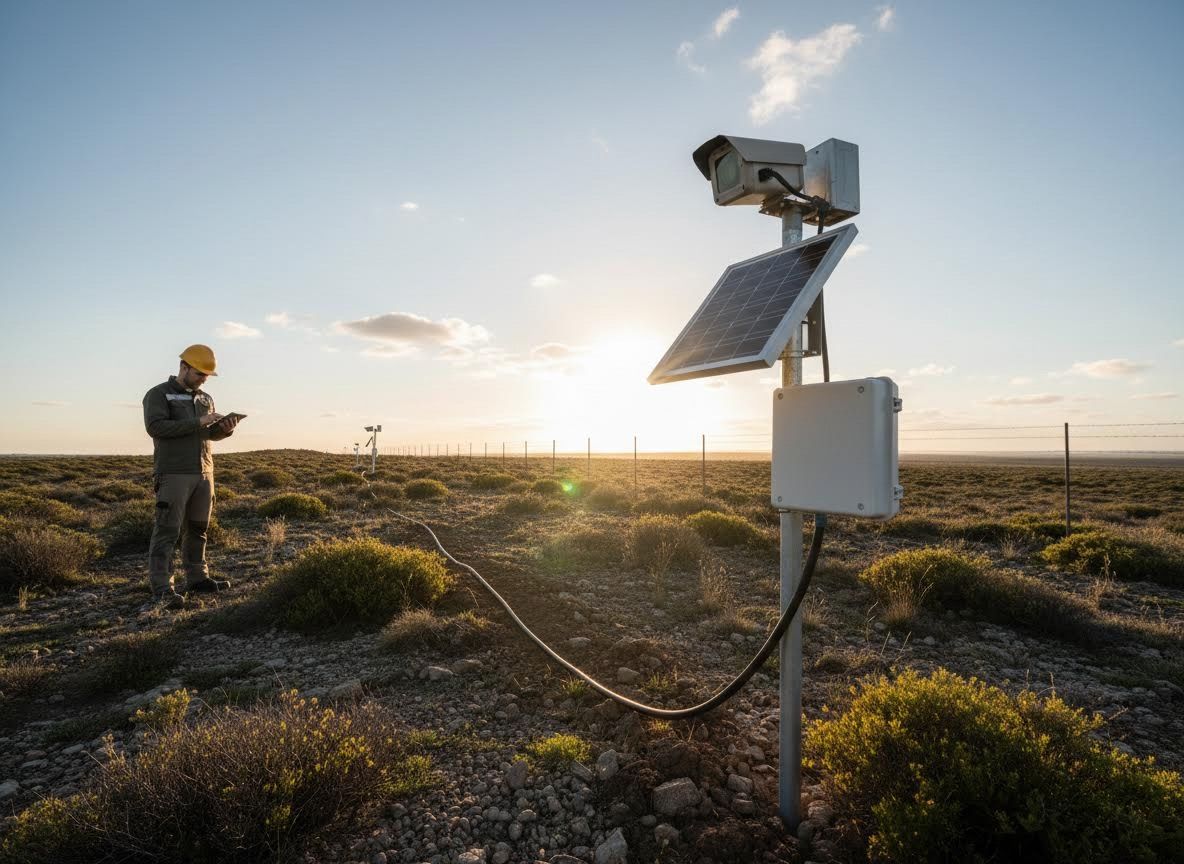
One of the primary hurdles in long-distance outdoor IP camera deployments is ensuring a consistent and reliable power supply. Running AC power over vast distances can be impractical, costly, and prone to losses. Power over Ethernet (PoE) is often the preferred solution, delivering both power and data over a single Ethernet cable. However, standard PoE has distance limitations, typically 100 meters. For longer runs, consider extended PoE solutions which can push distances further, or implement strategically placed mid-span injectors and PoE extenders. Alternatively, solar power solutions combined with battery backup are excellent for remote locations where grid power is unavailable or too expensive to extend. These systems require careful calculation of power consumption, solar panel size, and battery capacity to ensure continuous operation, even during periods of low sunlight. Reliable power ensures your surveillance system remains operational when it matters most.
Establishing Robust Network Connectivity
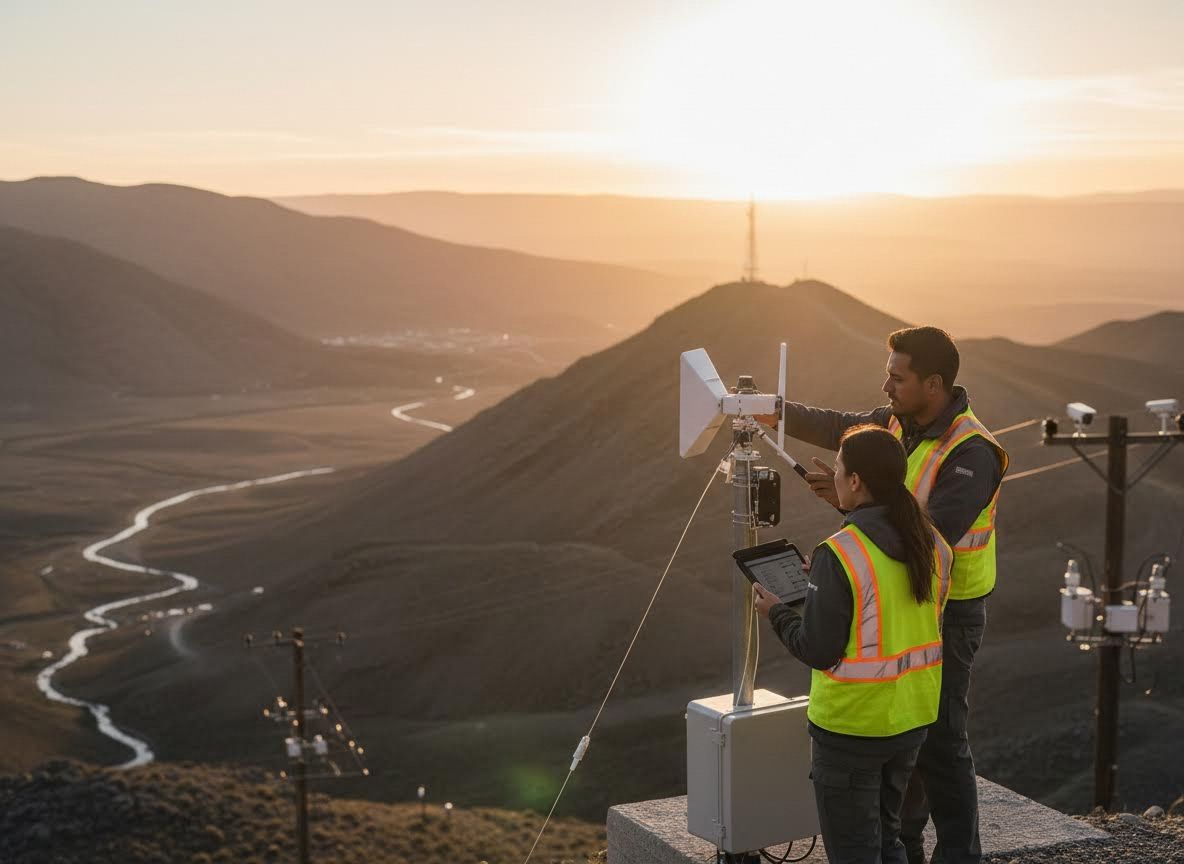
Beyond power, maintaining a stable and high-bandwidth network connection is critical for transmitting high-resolution video streams from distant cameras. For distances beyond standard Ethernet capabilities, several innovative solutions can bridge the gap. Wireless point-to-point (PTP) and point-to-multipoint (PTMP) links are highly effective, using directional antennas to create secure, high-speed connections over several miles. These require clear line-of-sight and careful alignment but offer significant flexibility. For the most demanding applications and longest distances, fiber optic cabling is unparalleled. Fiber provides superior bandwidth, immunity to electromagnetic interference, and can transmit data over tens of kilometers without signal degradation. While initial installation can be more involved, the long-term reliability and performance of fiber optic infrastructure are invaluable for critical surveillance systems.
Environmental Resilience and Physical Security
Outdoor environments are unforgiving, exposing IP cameras and their infrastructure to a range of potential threats, from extreme weather to vandalism. It's imperative to select cameras and components with appropriate Ingress Protection (IP) ratings for dust and water resistance, and Impact Protection (IK) ratings for vandal resistance. Industrial-grade enclosures are vital for protecting network switches, power supplies, and connection points from moisture, temperature fluctuations, and physical tampering. Proper grounding and surge protection are also non-negotiable to safeguard equipment from lightning strikes and electrical surges. Furthermore, strategic camera placement, away from easy reach but still offering optimal viewing angles, enhances both their effectiveness and physical security.
Intelligent Data Management and Threat Protection
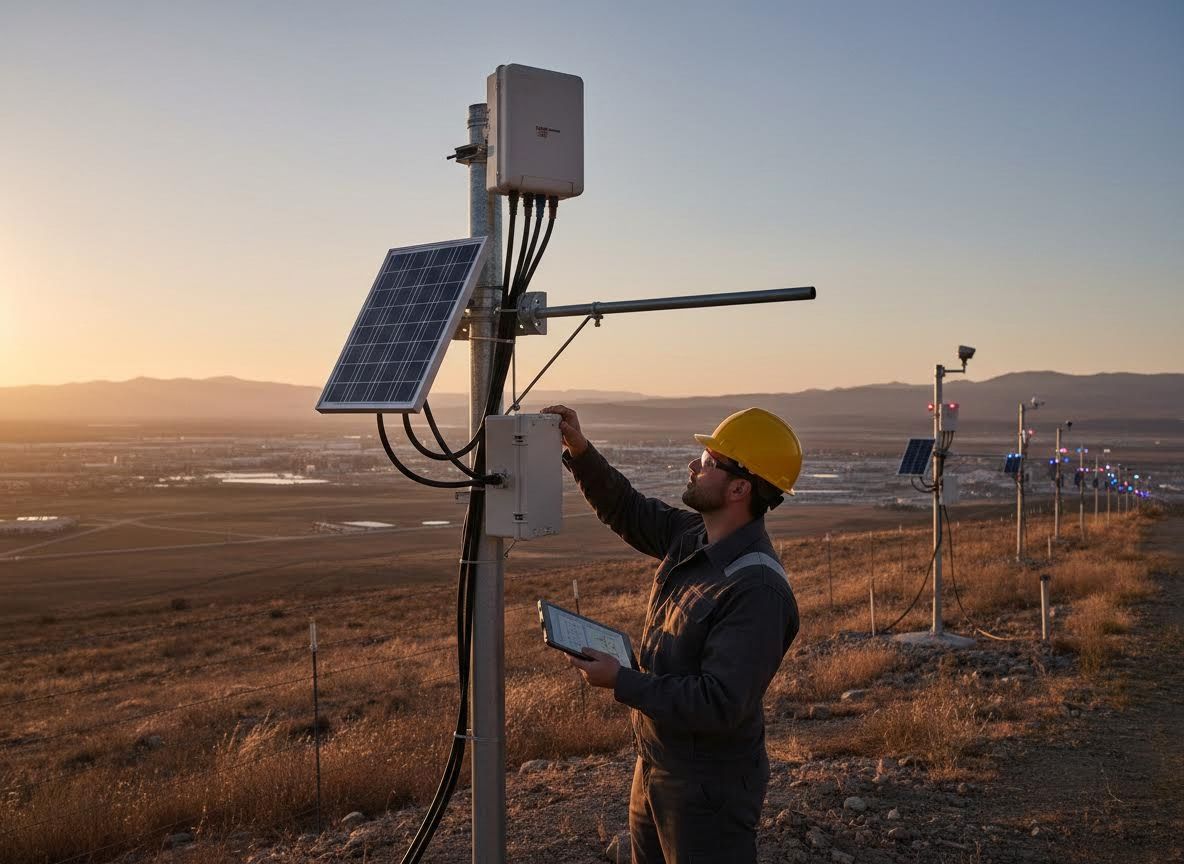
With numerous cameras streaming data over long distances, efficient data management and robust security become paramount. Consider network video recorders (NVRs) with ample storage capacity or cloud-based solutions for scalability and accessibility. Implementing intelligent video analytics (IVA) at the edge (on the camera itself) or at the NVR can significantly reduce bandwidth usage by only transmitting relevant events, improving overall system efficiency. Furthermore, securing the network infrastructure from cyber threats is crucial. This involves strong passwords, encrypted communications, regular firmware updates, and leveraging solutions that can detect and mitigate AI-powered security threats, which are increasingly sophisticated. A proactive approach to cybersecurity protects sensitive surveillance data and maintains system integrity.
Successfully deploying long-distance outdoor IP camera systems demands a blend of technical expertise, strategic planning, and resilient hardware choices. By meticulously addressing power delivery, network connectivity, environmental protection, and data security, you can build a surveillance infrastructure that delivers consistent, reliable performance for years to come. Explore our comprehensive range of low voltage products and network solutions to equip your next outdoor deployment with the reliability and innovation it deserves.