
In today's rapidly evolving digital landscape, the demand for high-speed, reliable network infrastructure is more critical than ever, especially for extensive campus environments and multi-floor buildings. Choosing the right fiber optic cabling solution is a foundational decision that impacts not only current operational efficiency but also future scalability and cost-effectiveness. This article delves into the distinctions between single-mode and multi-mode fiber, guiding you through the considerations necessary to future-proof your network investments. At B4 Sales LLC, we understand these complex challenges and are dedicated to providing innovative solutions that empower seamless connectivity.

Understanding the Core Differences
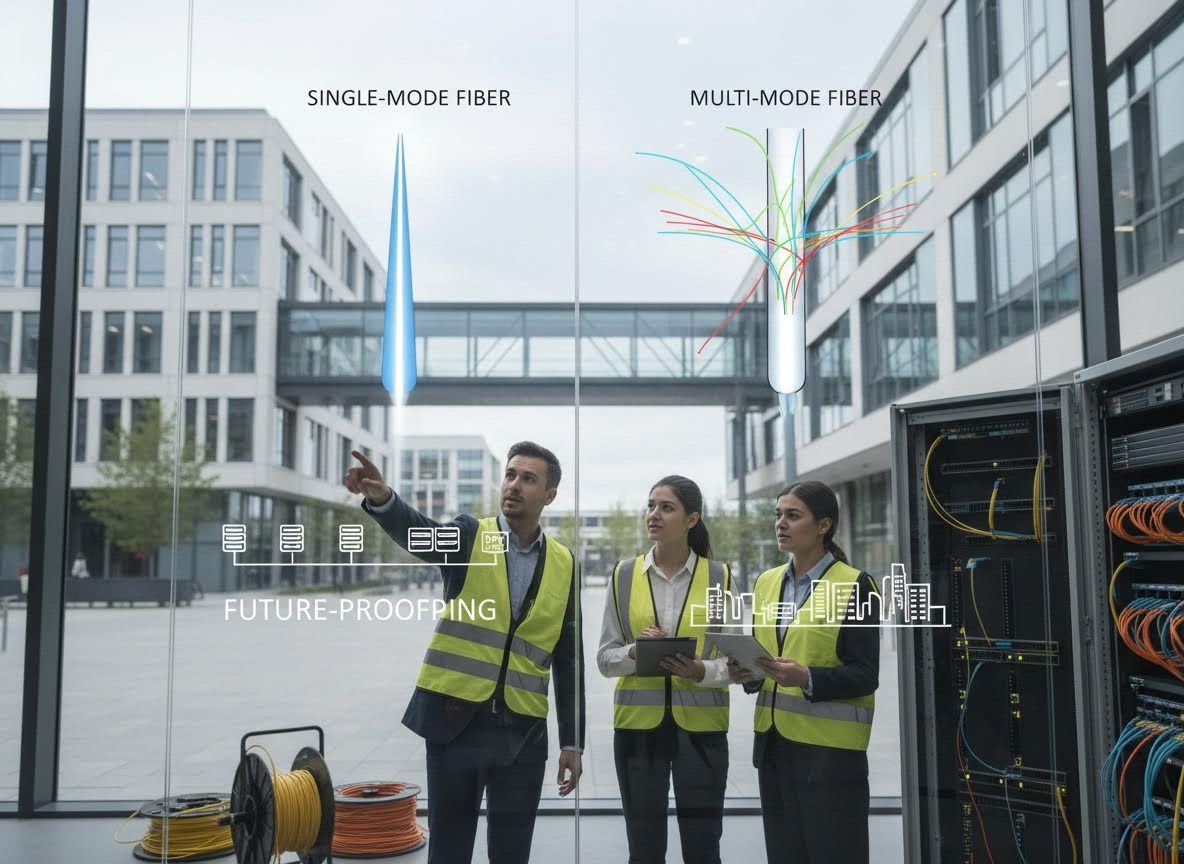
Fiber optic cables transmit data as light pulses, offering superior bandwidth and distance capabilities compared to traditional copper cabling. The primary distinction between single-mode and multi-mode fiber lies in the diameter of their optical core and how light travels through them. Multi-mode fiber (MMF) features a larger core, allowing multiple light paths or "modes" to travel simultaneously. While this makes it easier to couple light into the fiber, it can lead to modal dispersion over longer distances, limiting its effective range. Single-mode fiber (SMF), conversely, has a much smaller core, permitting only a single light path. This eliminates modal dispersion, enabling data transmission over significantly longer distances with much higher bandwidth potential.
Applications and Performance Considerations
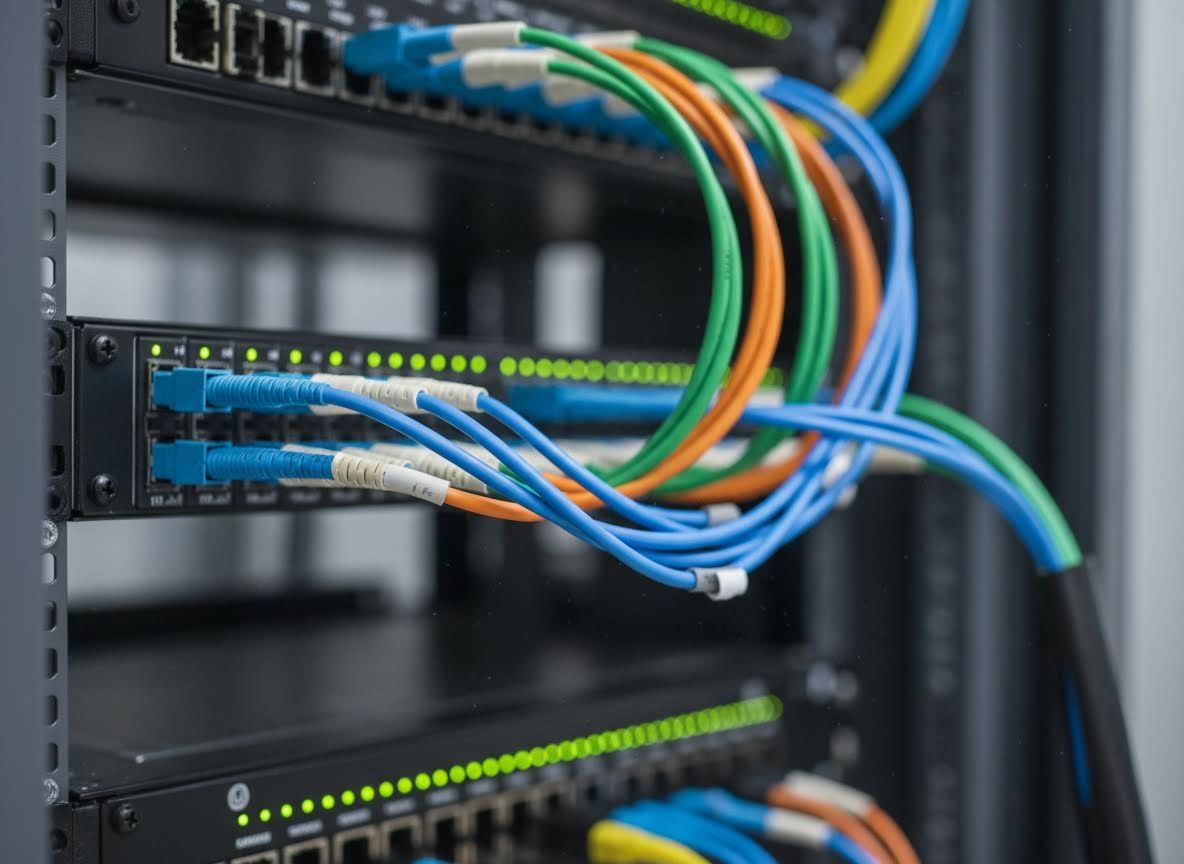
The choice between single-mode and multi-mode fiber largely depends on the specific application, required distance, and anticipated bandwidth needs. Multi-mode fiber is a cost-effective and robust solution for shorter-distance applications, typically within a single building or across a compact campus. It's ideal for connecting network devices on different floors or linking equipment within a data center, supporting speeds up to 100 Gigabit Ethernet (GbE) over several hundred meters using optimized OM4 or OM5 variants. For connections spanning greater distances, such as between separate buildings on a large campus, or for wide area network (WAN) links, single-mode fiber is the undisputed standard. Its capacity to carry vast amounts of data over kilometers without signal degradation makes it essential for high-performance backbones and future high-speed upgrades exceeding 100GbE.

Strategizing for Future-Proofing
Future-proofing your network infrastructure means making strategic decisions today that anticipate tomorrow's technological demands. When evaluating single-mode versus multi-mode fiber for campus and multi-floor networks, consider the following:
Anticipated Growth: As data consumption continues to surge with AI, IoT, and high-definition applications, the need for bandwidth will only increase. Single-mode fiber generally offers a clearer upgrade path to ultra-high speeds (e.g., 400GbE and beyond) over extended distances without requiring costly cable replacement.
Total Cost of Ownership: While multi-mode transceivers and components are often less expensive initially, the long-term cost of potentially replacing or upgrading multi-mode cabling due to distance or bandwidth limitations could outweigh the initial savings. Single-mode offers greater longevity for backbone infrastructure.
Network Architecture: For complex multi-building campuses, a hybrid approach might be optimal, using single-mode for inter-building links and multi-mode for intra-building or floor-to-floor connections. This balances performance, cost, and scalability effectively.
Emerging Standards: Stay informed on new Ethernet standards and fiber specifications. While multi-mode continues to evolve (e.g., OM5 for SWDM), single-mode remains the go-to for maximum distance and future-proof bandwidth.
Selecting the appropriate fiber optic solution for your campus or multi-floor network requires careful consideration of current needs, future scalability, and overall budget. Both single-mode and multi-mode fiber have their distinct advantages, making the optimal choice dependent on specific operational demands and long-term objectives. For organizations seeking reliable, innovative network and communication solutions, B4 Sales LLC stands ready to provide expert guidance and a diverse array of high-quality products to ensure your infrastructure is built for success. To gain deeper insights into structured cabling solutions that align with your connectivity goals, explore the resources available through a trusted industry leader.